From Practice to Possibility: Growing Independence at 2026 TRAC Camp
Six Craig Hospital graduates with spinal cord injuries, joined by four friends and siblings, spent August 2–9 in Park City, Utah, discovering what can happen when preparation, perseverance, and community come together.
Hosted at the National Ability Center, the 2026 Teen Rehabilitation at Craig (TRAC) Camp was made possible through a collaboration between the Kelly Brush Foundation, Craig Hospital, and the National Ability Center. Scholarship support from the Kelly Brush Foundation and National Ability Center helped make the experience possible, while the National Ability Center also provided a setting where participants could explore adaptive recreation, build skills, and challenge themselves.
Throughout the week, participants tried adaptive mountain biking, sailing, kayaking, paddleboarding, swimming, wakesurfing, and other water sports. Movies, board games, and time spent socializing gave the group just as many opportunities to connect and learn from one another.
Camp Started Months Before Arrival
The work behind TRAC Camp began long before participants arrived in Park City.
In the months leading up to camp, participants practiced personal-care routines, transfers, equipment management, and other skills they would need away from home. They also prepared for the week’s adaptive sports alongside Danielle Scroggs, the recreational therapist who worked with each participant during inpatient rehabilitation at Craig and who leads the adolescent TRAC program.
“For months leading up to TRAC Camp, we practiced the adaptive sports the participants would experience during the week,” Scroggs said. “Watching that preparation translate into greater confidence and independence at camp was incredibly rewarding.”
For Yasmeen, preparing for camp meant six months of focused work. She practiced dressing, showering, managing medications, completing her morning and nighttime routines, and building the arm strength needed to use her manual wheelchair.
“I was hoping to learn how to take care of myself without the help of others and see what I could do by myself,” Yasmeen said.
David’s preparation included practicing with more portable equipment, strengthening his popover transfers, and using a schedule to manage his routines. Packing also required more planning than it had before his injury.
“You can’t prepare enough,” David said. “Make a list of things to work on.”
Learning Through Adventure—and Each Other
When the group began adaptive mountain biking on the first full day, there was little time to remain nervous. Participants immediately started learning how to use the adaptive sports equipment, communicate with instructors, and adapt when something did not work as expected.
For David, seeing equipment modified to meet his needs offered a lesson that extended beyond mountain biking.
“Seeing that it could be done—and that you can make a machine work for you—was cool,” he said. “It taught me not to let anything stop me.”
Getting onto a boat was another important milestone. It was something David had not imagined doing after his injury, but by the end of camp, he felt confident that he could do it again.
“In my head, I knew I could do these things,” he said. “It was just finding the confidence to do them. This camp helped me find that confidence and independence.”
Some of the week’s most meaningful lessons came directly from other Craig graduates. Participants exchanged tips about transfers, stretching, temperature regulation, adaptive equipment, and advocating for assistance. They encouraged one another through challenging activities and demonstrated what could become possible with time and practice.
During the first night’s dinner, Yasmeen listened as the group talked openly about what they could do, where they needed help, and what they had overcome.
“I realized I can learn to do the same things,” she said.
The week also helped Yasmeen redefine independence. Rather than believing she had to accomplish everything without assistance, she learned to try what she could, recognize when she needed support, and clearly explain how someone could help.
“Now independence means asking for help when I need it, but trying things on my own and doing what I can myself—even when it seems difficult,” she said.
One of her proudest accomplishments was showering independently, something she had not thought would be possible with her limited hand function. She also discovered how much she enjoyed being social after spending much of the previous year by herself.
Confidence to Carry Home
Scroggs saw participants begin advocating for their needs with more detail and confidence as the week progressed.
“I’m incredibly proud of how far they have come since the first moments I met them at Craig Hospital,” she said. “Watching them persevere through everything placed in front of them—and seeing all their hard work pay off—is incredibly rewarding.”
The participants returned home with new goals. Yasmeen plans to continue kayaking and using the personal-care skills she strengthened at camp. David wants to try adaptive skiing, get back onto a boat, and eventually find a mountain bike that can help him return to nature—his happy place.
They also returned with connections that will continue well beyond the week in Park City. “I think some of these people are going to be friends for life,” David said.
TRAC Camp showed participants that independence is not about navigating every challenge alone. It can mean leaning on others, learning from their experiences, clearly communicating what you need, and trusting yourself enough to try.
As Yasmeen put it: “TRAC Camp taught me that I can eventually be independent.”
For David, the takeaway was just as powerful: “I can get pretty much anywhere I could before—as long as I have the right mindset.”
Thank you to the Kelly Brush Foundation, the National Ability Center, Craig Hospital, the Craig clinical team, friends, siblings, and everyone else who made this week of growth, adventure, and connection possible.
From Practice to Possibility: Growing Independence at 2026 TRAC Camp
Posted on August 26, 2026 to Blog
Six Craig Hospital graduates with spinal cord injuries, joined by four friends and siblings, spent August 2–9 in Park City, Utah, discovering what can happen when preparation, perseverance, and community […]
Outdoor Adventures at Crested Butte
Posted on August 24, 2026 to Blog
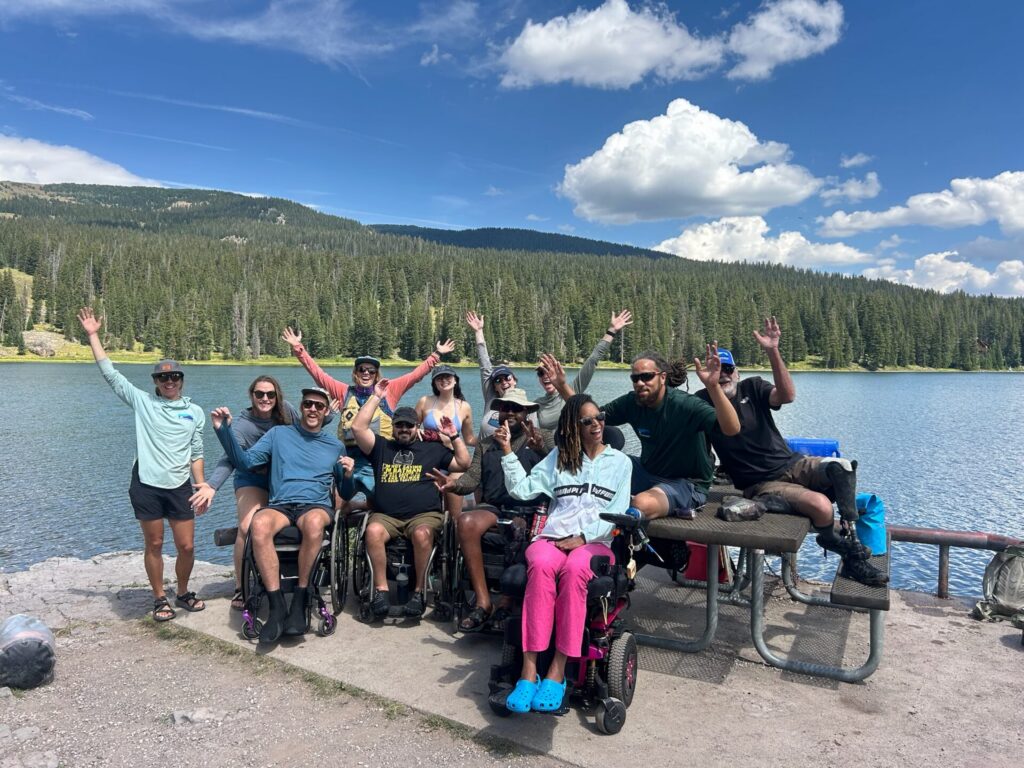
Scroll for the full photo album! Another year brought us back to the Adaptive Sports Center (ASC) for Summer Camp with the Shepherd Center in Crested Butte. This year, four […]
Community Spotlight: Richard Julian
Posted on August 19, 2026 to Blog
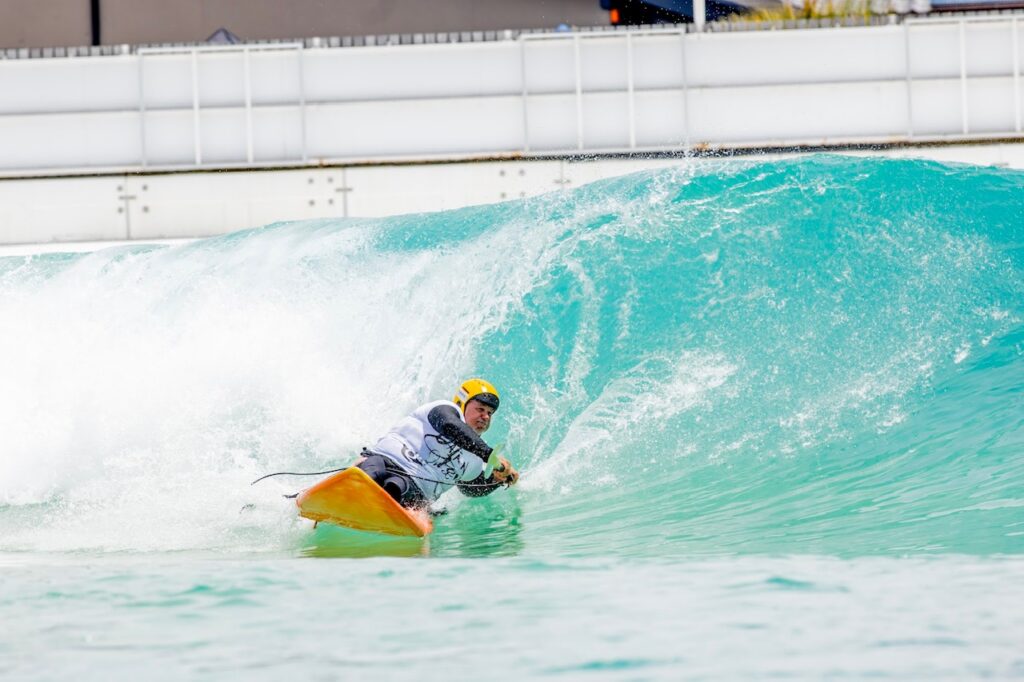
This month’s spotlight is Richard Julian from Honolulu, Hawaii! Rich received an Active Fund for a handcycle a few years ago and one recently for a waveski. A waveski is […]